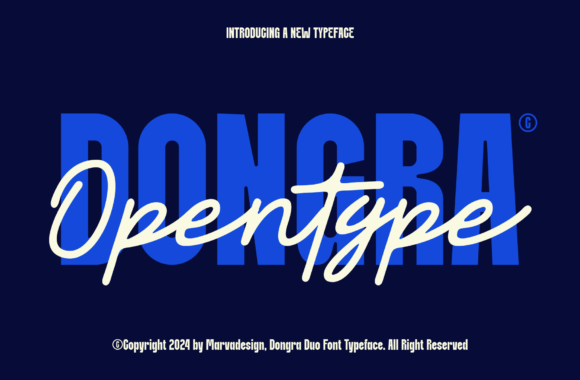
Dongra: A New Typeface That Redefines Modern Design
In a world where visual communication is more critical than ever, the right typeface can make all the difference. Enter Dongra, a fresh and versatile typeface that’s gaining traction among designers, creators, and businesses alike. With its two distinct styles—Condensed and Script—Dongra offers a unique blend of modernity and personality, making it a standout choice for a wide range of design applications.
The Rise of Minimalist and Expressive Typography
As digital content continues to evolve, so does the demand for typography that is both functional and visually engaging. The trend toward minimalism has reshaped how we approach design, favoring clean lines, simplicity, and clarity. At the same time, there's a growing appreciation for expressive and handcrafted elements that add character and warmth to digital spaces.
Dongra Condensed embodies this balance perfectly. Its sleek and clean structure delivers high legibility without sacrificing style. Whether used in headlines or body text, this font maintains readability even in compact formats. This makes it an excellent choice for branding materials, website headers, and editorial layouts where a contemporary aesthetic is key.
Meanwhile, Dongra Script brings a different kind of energy. Inspired by handwritten scripts, it captures the fluidity and authenticity of natural handwriting. The varying line thickness and dynamic flow give it a sense of movement and individuality, making it ideal for creative projects that require a personal touch.
Why Dongra Matters in Today’s Design Landscape
Modern workflows are increasingly driven by speed, efficiency, and user experience. In this context, typography plays a crucial role in shaping how information is perceived and consumed. A well-designed typeface can enhance readability, improve brand recognition, and create a more engaging user experience.
Dongra addresses these needs with thoughtful design principles. The Condensed style, for instance, is perfect for space-constrained environments like mobile apps, social media posts, and digital signage. Its minimalistic approach ensures that text remains clear and easy to read, even at smaller sizes.
The Script style, on the other hand, adds a layer of creativity and emotion. It’s particularly effective in contexts where a more personal or artistic feel is desired—such as wedding invitations, greeting cards, and promotional materials. By offering both a modern and a handcrafted option, Dongra caters to a broad spectrum of design needs.
Practical Applications Across Industries
Whether you're a professional designer, a small business owner, or a content creator, Dongra can be a valuable addition to your toolkit. Let’s explore some real-world use cases:
- Branding and Logo Design: The Condensed style’s clean and modern look is ideal for logos and brand identities that need to convey professionalism and sophistication.
- Editorial and Publishing: For magazines, newsletters, and online publications, Dongra Condensed provides a versatile option that works well in both print and digital formats.
- Creative Projects: The Script style adds a unique flair to creative projects, from social media graphics to packaging designs. It’s especially useful for campaigns that aim to evoke emotion and connection.
- Web and Mobile Design: With its strong legibility and adaptability, Dongra Condensed is well-suited for web interfaces, ensuring that content remains accessible and visually appealing across devices.
These examples highlight how Dongra can be tailored to fit different industries and design goals. Its versatility makes it a great choice for anyone looking to elevate their visual communication strategy.
Design Trends and User Expectations
Today’s users expect more from the fonts they encounter. They want typography that not only looks good but also enhances the overall experience. This shift has led to a greater emphasis on accessibility, responsiveness, and emotional impact in design choices.
Dongra aligns with these expectations by offering fonts that are both aesthetically pleasing and functionally sound. The Condensed style, for example, supports responsive design by adapting well to different screen sizes and resolutions. Meanwhile, the Script style adds a human element to digital content, helping to build stronger connections with audiences.
Moreover, the increasing use of AI and automation in design tools means that fonts must be adaptable and scalable. Dongra meets these requirements with its clean structure and consistent performance across platforms, making it a reliable choice for both traditional and digital workflows.
How to Get Started with Dongra
If you’re interested in using Dongra in your projects, there are several steps you can take to get started:
- Explore the Styles: Take time to understand the characteristics of each style—Condensed for modern minimalism and Script for expressive creativity.
- Test in Different Contexts: Experiment with how the fonts perform in various applications, such as websites, presentations, and printed materials.
- Consider Pairing Options: Combine Dongra with complementary typefaces to create balanced and visually appealing designs.
- Stay Updated: Keep an eye on updates and new features related to Dongra to ensure you’re using the latest and most optimized version.
By following these steps, you can integrate Dongra into your design workflow effectively and confidently.
Conclusion
Dongra represents a significant step forward in the world of typography. Its two distinct styles offer a compelling mix of modernity and expressiveness, catering to a wide range of design needs and preferences. As design trends continue to evolve, fonts like Dongra will play an increasingly important role in shaping how we communicate visually.
Whether you’re looking for a clean and professional look or a more personal and artistic feel, Dongra has something to offer. By understanding its strengths and exploring its potential, you can unlock new possibilities in your design projects and elevate your visual storytelling to the next level.