Dropbox: A Versatile Tool for Streamlining Creative and Productive Workflows
Dropbox is more than just a file storage service—it’s a powerful tool that integrates seamlessly into the daily workflows of professionals, creators, and hobbyists. Whether you're managing creative projects, organizing digital assets, or collaborating with teams, Dropbox offers a flexible solution that enhances efficiency and accessibility. Its clean interface and robust features make it an ideal choice for anyone looking to streamline their workflow without sacrificing quality or control.
The Role of Dropbox in Modern Workflows
In today’s fast-paced world, having a reliable way to store, access, and share files is essential. Dropbox fits into this need by providing a centralized hub where users can manage their digital content across multiple devices. Unlike traditional file-sharing methods, Dropbox allows real-time synchronization, ensuring that everyone involved in a project has access to the most up-to-date version of a document or design.
This makes Dropbox particularly useful for creative professionals who often work on complex projects involving multiple files, such as graphic designers, marketers, and educators. By keeping all project-related files in one place, Dropbox reduces the risk of version confusion and streamlines collaboration. It also supports integration with other tools like Adobe Creative Cloud, Google Workspace, and Microsoft 365, making it a versatile addition to any digital toolkit.
Designing with Dropbox: A Font That Enhances Creativity
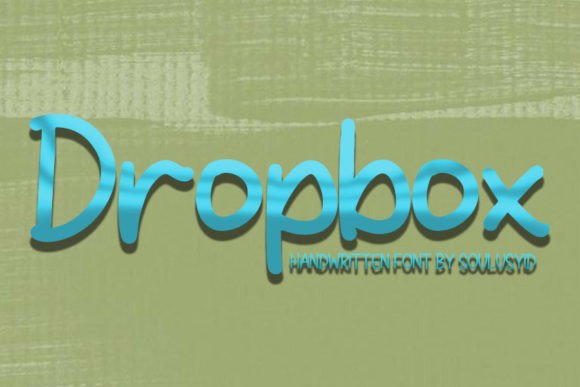
One of the unique aspects of Dropbox is its font family, which includes Dropbox-Regular, Dropbox-Bold, and Dropbox-Italic. These fonts are designed to be both elegant and functional, offering a modern sans-serif aesthetic that complements a wide range of design applications. The clean lines and balanced proportions of the Dropbox font make it ideal for use in card designs, social media graphics, presentations, and even digital planners.
When designing for print or digital formats, choosing the right font can significantly impact the overall look and feel of a project. Dropbox's font provides a professional yet approachable style that works well in both minimalist and detailed layouts. Its versatility means it can adapt to different design contexts, from branding materials to personal projects. For those working on creative tasks, having a reliable font that aligns with their design goals can save time and enhance the final output.
Practical Implementation: How to Use Dropbox Effectively
Integrating Dropbox into your workflow starts with understanding how it fits into your specific needs. For example, if you're a small business owner managing client projects, Dropbox can serve as a central repository for contracts, invoices, and design drafts. You can set up shared folders to allow team members or clients to access and contribute to files in real time, ensuring everyone stays aligned throughout the project lifecycle.
For freelancers and remote workers, Dropbox can help maintain consistency across different work environments. By syncing files across devices, you can ensure that your workspace remains organized no matter where you are. This is especially valuable when working on multiple projects simultaneously or when transitioning between different workspaces, such as home and office setups.
Additionally, Dropbox’s file-sharing capabilities make it easy to collaborate with others. Instead of sending large files via email, you can generate a shareable link that allows recipients to view, download, or edit documents directly from the Dropbox platform. This not only simplifies the sharing process but also improves communication and reduces the risk of lost or miscommunicated information.
Choosing the Right Format: TTF, OTF, and WOFF Files
When using Dropbox’s font, it’s important to consider the file formats available: TTF (TrueType Font), OTF (OpenType Font), and WOFF (Web Open Font Format). Each format has its own advantages depending on the use case. TTF is widely supported and works well with most operating systems, making it a reliable choice for desktop applications. OTF offers more advanced typographic features, which can be beneficial for designers working on high-quality print or digital publications. WOFF is optimized for web use, ensuring fast loading times and compatibility with online platforms.
Understanding these differences helps users choose the most appropriate format for their specific needs. For instance, if you’re designing a website, WOFF would be the best option for quick performance. On the other hand, if you’re creating a physical product or a detailed presentation, OTF might provide better results due to its enhanced typographic support.
Organizing Your Files for Maximum Efficiency
One of the key benefits of Dropbox is its ability to help users organize their files effectively. A well-structured folder system ensures that files are easy to find and manage, which is crucial for maintaining productivity. When setting up your Dropbox space, it’s a good idea to create clear categories based on project type, client name, or date. This not only keeps your files organized but also makes it easier to locate specific documents when needed.
Regularly reviewing and updating your file structure is also important. As projects evolve, new files will be added, and old ones may become obsolete. By maintaining a consistent organization strategy, you can avoid clutter and ensure that your Dropbox space remains efficient and user-friendly. Additionally, using Dropbox’s search feature can help you quickly locate files without needing to navigate through multiple folders.
Integration with Other Tools for Enhanced Workflow
Dropbox’s strength lies in its ability to integrate with other tools and platforms, enhancing its utility beyond simple file storage. For example, integrating Dropbox with cloud-based design software like Canva or Figma allows for seamless file sharing and collaboration. This integration ensures that design assets are always up to date and accessible to all team members, reducing the need for manual file transfers.
Similarly, Dropbox can be paired with project management tools like Trello or Asana to streamline task tracking and file management. By linking Dropbox folders to specific project boards or tasks, users can easily access relevant files directly from their project management interface. This level of integration helps reduce the time spent switching between applications, allowing users to focus more on their core work.
Long-Term Use and Quality Control
When considering long-term use, it’s important to think about how Dropbox can support ongoing projects and evolving workflows. Regular backups, version control, and file naming conventions play a critical role in maintaining data integrity and ensuring that important files are never lost. Dropbox’s version history feature allows users to revert to previous versions of a file if needed, providing an extra layer of protection against accidental deletions or modifications.
Additionally, implementing a consistent naming convention for files and folders helps maintain clarity and reduces the risk of confusion. By using descriptive names and organizing files by date or project, users can ensure that their Dropbox space remains easy to navigate and efficient to use over time.
Conclusion
Dropbox is more than just a file storage service—it’s a comprehensive tool that supports a wide range of creative and professional workflows. From design projects to business operations, its flexibility and ease of use make it an invaluable asset for anyone looking to improve their productivity and organization. By understanding how Dropbox fits into your specific needs and integrating it effectively into your workflow, you can unlock its full potential and enhance your overall efficiency.