Why Gilbert is the Font for Modern Creativity
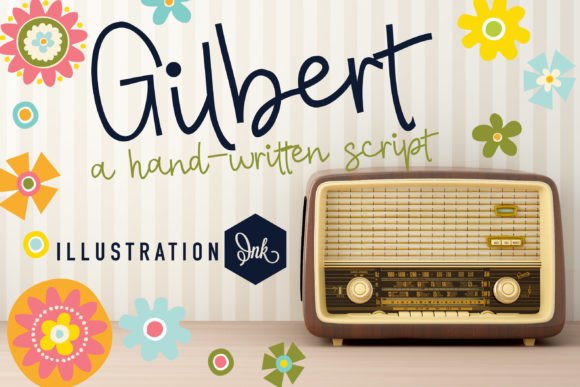
In an era where visual communication is more important than ever, the right font can make all the difference. Gilbert is a script font that stands out not just for its aesthetic appeal but for its ability to convey energy, creativity, and personality. Designed with a playful and dynamic approach, this font captures the essence of fun and innovation, making it a powerful tool for designers, marketers, and creators alike.
The Evolution of Script Fonts in Digital Design
Script fonts have long been associated with elegance and sophistication, often used in formal invitations or luxury branding. However, in recent years, there has been a noticeable shift toward more expressive and versatile script designs. This change reflects broader trends in digital design—where authenticity, individuality, and engagement are now key priorities.
Gilbert fits perfectly into this evolving landscape. Unlike traditional script fonts that can feel rigid or overly ornate, Gilbert offers a fresh take with its fluid letterforms and modern flair. It’s designed to be both readable and eye-catching, making it ideal for a wide range of applications—from social media graphics to product packaging.
Why Gilbert Matters in Today's Creative Landscape
Modern audiences are drawn to content that feels personal and vibrant. Whether it’s a brand’s logo, a social media post, or a website header, the visual elements must resonate on an emotional level. Gilbert achieves this by combining the warmth of a hand-drawn script with the clarity of a digital font. Its unique character makes it stand out in a crowded digital space without sacrificing legibility.
Consider how brands like Adobe and Canva have embraced more expressive typography in their design tools. These platforms recognize that users are looking for fonts that reflect their voice and values. Gilbert meets that demand by offering a style that feels both professional and playful, allowing creators to express themselves while maintaining a strong visual identity.
Practical Applications of Gilbert in Business and Design
One of the most compelling aspects of Gilbert is its versatility. It works well across various mediums and industries. For instance, small businesses looking to build a brand identity might use Gilbert for their logo or website headers. The font’s energetic tone aligns with the entrepreneurial spirit, helping to communicate confidence and creativity.
Marketers and content creators also benefit from using Gilbert in their campaigns. Social media posts, especially those with a fun or youthful vibe, can be elevated with this font. Its dynamic nature helps catch attention quickly, which is crucial in today’s fast-paced online environment.
Additionally, educators and freelancers can leverage Gilbert to create visually engaging materials. A presentation slide or a printable worksheet can gain more impact when paired with a font that adds personality and charm.
How Gilbert Fits Into Modern Workflows
As remote work and digital collaboration become the norm, the need for tools that support creative expression has grown. Gilbert integrates seamlessly into popular design software such as Adobe Illustrator and Canva. Its availability across multiple platforms ensures that designers can access and use it effortlessly, regardless of their preferred workflow.
Moreover, the rise of AI-driven design tools has made it easier than ever to experiment with different fonts and styles. Gilbert is well-suited for these environments, offering a balance between artistic freedom and technical precision. Users can quickly test how the font looks in different contexts, ensuring it aligns with their vision and goals.
What Makes Gilbert Stand Out?
While many script fonts exist, Gilbert distinguishes itself through its unique blend of form and function. The letterforms are carefully crafted to maintain readability even at smaller sizes, which is essential for digital use. At the same time, the font retains a sense of movement and playfulness that sets it apart from more traditional options.
Another key feature of Gilbert is its adaptability. It performs well in both light and dark backgrounds, making it suitable for a variety of design scenarios. Whether you’re creating a vibrant poster or a minimalist web banner, Gilbert can be tailored to fit your needs without losing its distinctive character.
Real-World Examples of Gilbert in Action
- A local bakery used Gilbert for their menu design, adding a touch of whimsy that resonated with their target audience.
- A fitness influencer incorporated Gilbert into their social media posts, enhancing the energetic and motivational tone of their content.
- An independent designer used Gilbert for a branding project, helping to establish a cohesive and memorable visual identity.
These examples highlight how Gilbert can be applied in practical ways to enhance communication and engagement. Its ability to adapt to different contexts makes it a valuable asset for creators of all levels.
Looking Ahead: The Future of Typography and Design
As technology continues to evolve, so too does the role of typography in design. The future belongs to fonts that are not only beautiful but also functional, accessible, and adaptable. Gilbert represents this forward-thinking approach, offering a style that is both timeless and contemporary.
With the increasing emphasis on user experience and visual storytelling, fonts like Gilbert will continue to play a vital role in shaping the digital landscape. They provide a way for brands and individuals to connect with their audience on a deeper level, fostering trust, recognition, and loyalty.
Ultimately, Gilbert is more than just a font—it’s a statement. It speaks to the creative spirit of the modern world and offers a powerful tool for those who want to stand out in a sea of sameness. Whether you’re a seasoned designer or just starting out, Gilbert has the potential to elevate your work and leave a lasting impression.